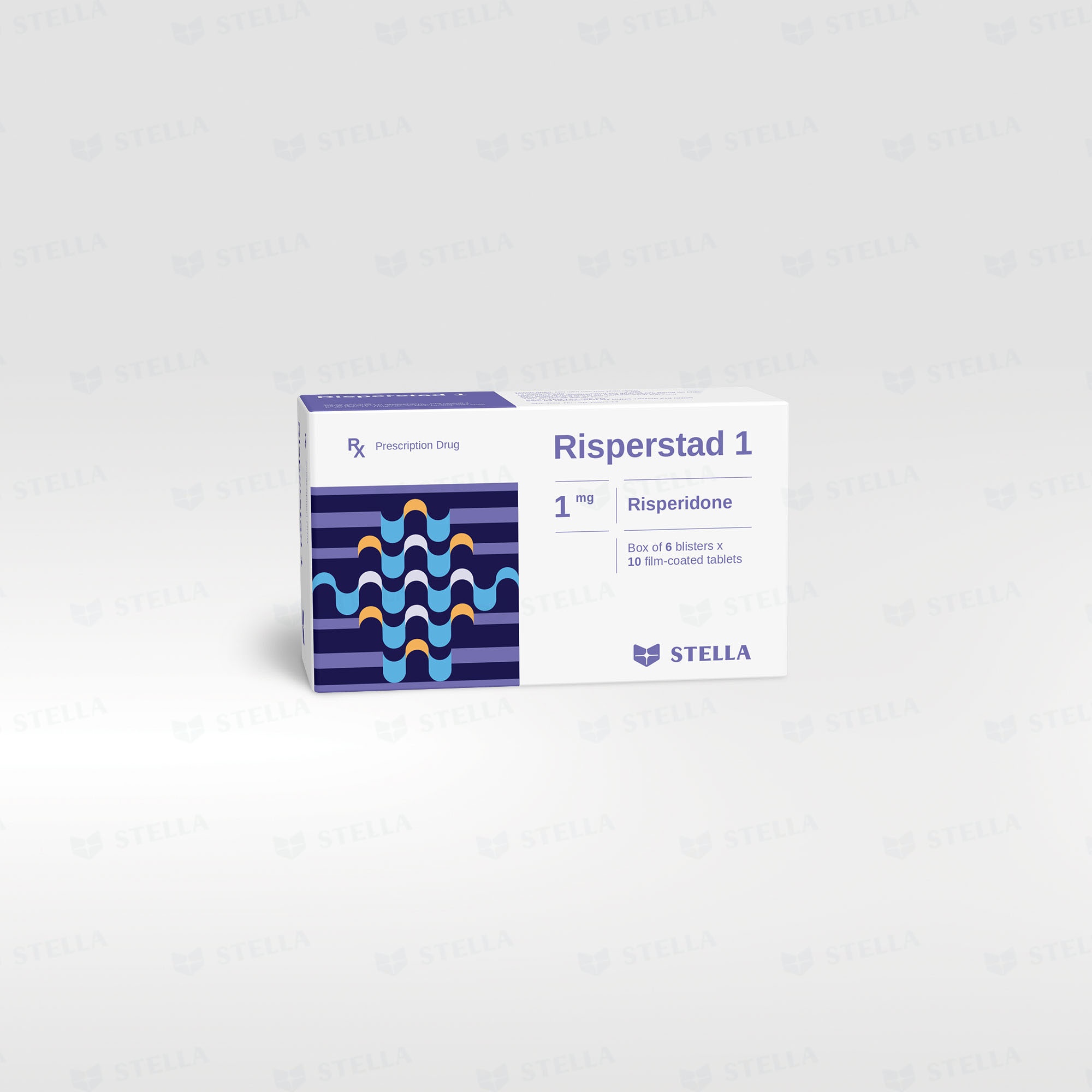
Caution should be observed when use Risperstad 1 in:
- Geriatric patients;
- Patient with known cardiovascular disease (e.g. history of myocardial infarction or ischemia, heart failure, conduction abnormalities), cerebrovascular disease, conditions that would predispose patients to hypotension (e.g. dehydration, hypovolemia), conditions associated with QT prolongation and patients receiving antihypertensive agents;
- Patients with parkinsonian syndrome, dementia with Lewy bodies; Patients with Parkinson’s disease or epilepsy;
- Patients with hepatic or renal impairment;
- Patients with preexisting diabetes mellitus (in whom therapy with atypical antipsychotic is initiated should be closely monitored for glucose control); those with risk factors for diabetes (e;g; obesity, family history of diabetes, should undergo fasting blood glucose testing upon therapy initiation and periodically throughout treatment)
Risperstad 1 is not approved for the treatment of dementia related psychosis.
Gradual withdrawal of Risperstad 1 is recommended because of the risk of withdrawal symptoms, including sweating, nausea and vomiting, and rebound psychosis, with abrupt cessation.
Patients with rare hereditary problems of galactose intolerance, total lactase deficiency or glucose – galactose malabsorption should not take Risperstad 1.
Risperstad 1 should be used during pregnancy only if the potential benefit justifies the potential risk to the fetus. Therefore, women receiving risperidone should not breast-feed.
Patients should be aware of how they react to drug before driving or operating machinery. Because Risperstad 1 has the potential to impair judgment, thinking, or motor skills, patients should be cautioned about driving or operating hazardous machinery.