PRODUCT FILTER
Categories
Type
Type

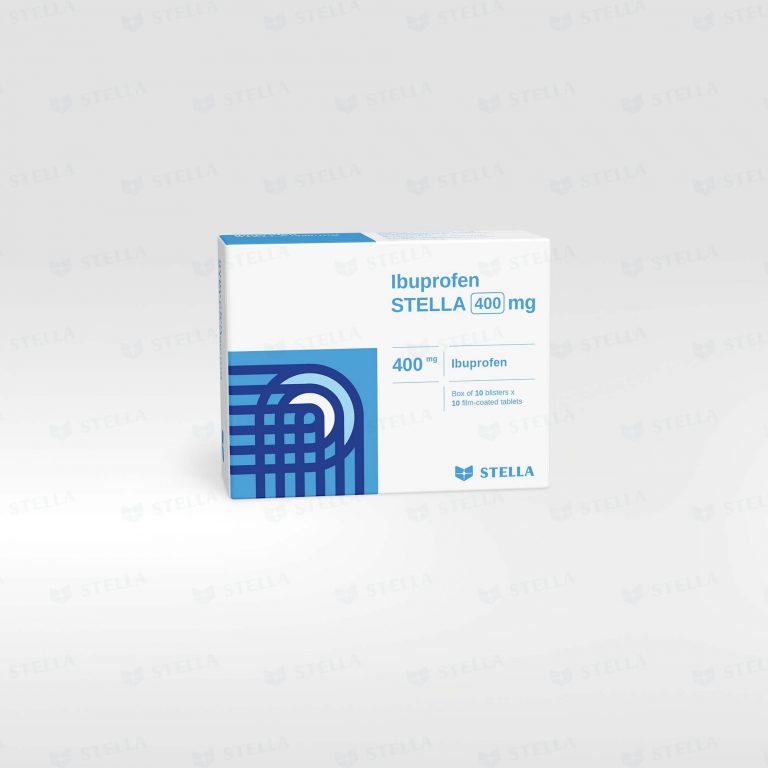
Uprofen 400
OTC

Ibuprofen is an NSAID with anti-inflammatory, analgesic, and antipyretic activity. Animal models of pain and inflammation reduction indicate that ibuprofen effectively inhibits prostaglandin synthesis. In humans, ibuprofen reduces pain due to or associated with inflammation, swelling, and fever.

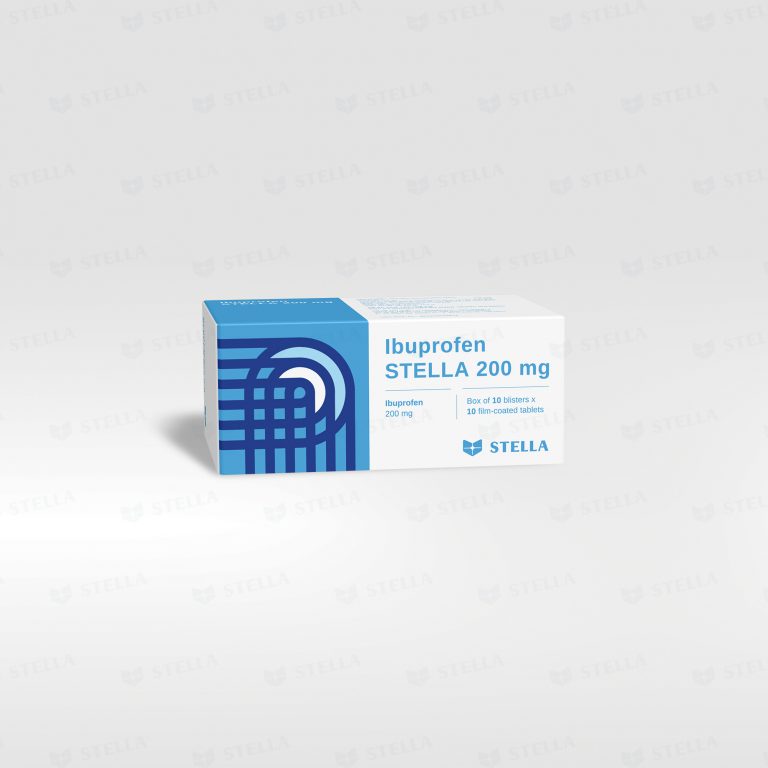
Pack size Box of 100 tablets
Shelf-life 24 months
Composition Ibuprofen
Dosage forms and strengths Film-coated tablet: 400 mg
Product code :

PRESCRIBING INFORMATION

Indications 

Symptom treatment:

  • Mild to moderate pain in cases of migraine;
  • Primary dysmenorrhea;
  • Fever;
  • Pain and inflammation in joint diseases (such as rheumatoid arthritis), degenerative joint conditions (such as osteoarthritis), swelling, pain and inflammation after soft tissue injury.

Dosage

  • Mild to moderate pain and fever:
    Adults and adolescents (12 years and older) weighing 40 kg or more: 200 – 400 mg taken as a single dose or divided 3 – 4 times/day, Leave at least 6 hours between doses.
  • Migraines:
    400 mg taken as a single dose, if necessary divide the 400 mg into doses. Leave at least 6 hours between doses. Do not take more than 1200 mg in any 24 hour period.
  • Children:
    Children (6 – 9 years old) weighing 20 – 29 kg: 200 mg x 1 – 3 times/day. Leave at least 6 hours between doses. Do not take more than 600 mg in any 24 hour period.
    Children (10 – 11 years old) weighing 30 – 90 kg: 200 mg x 1 – 4 times/day. Leave at least 6 hours between doses. Do not take more than 800 mg in any 24 hour period.
    Do not use ibuprofen in children weighing less than 20 kg or under 6 years of age.
  • Primary dysmenorrhea:
    Adults and adolescents (12 years and older) weighing 40 kg or more: 200 – 400 mg x 1 – 3 times/day. Leave at least 6 hours between doses. The maximum daily dose does not exceed 1200 mg.
  • Rheumatism:
    Adults: The recommended dose is 1200 – 1800 mg/day, divided into several doses. Maintenance doses of 600 – 1200 mg/day may be effective in some patients. In acute and severe cases, the dose may be increased (temporarily) to a maximum of 2400 mg divided 3-4 times/day.
    Adolescents 15 – 17 years old: The recommended dose should be adjusted according to weight: 20 mg/kg to a maximum of 40 mg/kg/day (maximum 2400 mg/day), divided into 3 – 4 times.
  • Be especially cautious when using NSAIDs in elderly patients who are susceptible to unwanted effects and are at high risk of potentially fatal gastrointestinal bleeding, ulceration, or perforation. If treatment is necessary, the lowest dose should be used for the shortest duration necessary to control symptoms. Treatment should be periodically evaluated and discontinued if no benefit is observed or intolerance occurs.
  • People with impaired renal/liver function:
    The dose should be kept as low as possible for the shortest duration necessary to control symptoms and monitor renal/liver function.

Usage

  • For oral administration. Swallow the tablet whole with a glass of water after a meal. For patients with sensitive stomachs, ibuprofen should be taken with a meal.
  • For short-term use only. Undesirable effects may be minimised by using the effective dose for the shortest duration necessary to control symptoms.


  • Hypersensitivity to ibuprofen or any of the excipients in the product.
  • Patients who have previously shown hypersensitivity reactions (e.g. asthma, rhinitis, angioedema, or urticaria) in response to aspirin or other non-steroidal anti- inflammatory drugs.
  • Active or history of recurrent peptic ulcer/haemorrhage (two or more distinct episodes of proven ulceration or bleeding).
  • History of gastrointestinal bleeding or perforation, related to previous NSAIDs therapy.
  • Severe heart failure (NYHA Class IV), renal failure or hepatic failure.
  • Last trimester of pregnancy.
  • Significant dehydration (due to vomiting, diarrhea, or insufficient fluid intake).
  • Cerebral hemorrhage or other active bleeding disorders.
  • Unspecified hematological disorders.
  • Ibuprofen is contraindicated in children weighing less than 20 kg or under 6 years of age.
  • Risk of cardiovascular thrombosis.
  • Adverse effects are primarily dose-dependent and vary from person to person.
  • The most common are gastrointestinal side effects: Gastric ulcers, perforation, or gastrointestinal bleeding, sometimes fatal, especially in the elderly.
  • Nausea, vomiting, diarrhea, flatulence, constipation, dyspepsia, abdominal pain, bloody stools, hematemesis, stomatitis, exacerbations of colitis and Crohn’s disease have been reported after drug use. Gastritis is less common.
  • Ibuprofen, especially at high doses (2400 mg/day), may slightly increase the risk of arterial thrombosis (e.g., myocardial infarction or stroke).
  • Edema, hypertension, and heart failure have been reported in association with NSAID treatment.

Very common

  • Gastrointestinal disturbances such as heartburn, dyspepsia, abdominal pain, nausea, vomiting, flatulence, diarrhea, constipation.

Common 

  • Headache, drowsiness, dizziness, fatigue, agitation, blurred vision, insomnia, irritability.
  • Gastrointestinal ulcers, sometimes with bleeding and perforation, occult blood loss leading to anemia, bloody stools, vomiting blood, stomatitis, colitis, acute exacerbation of inflammatory bowel disease, diverticular complications (perforation, fistula).
  • Avoid using ibuprofen concurrently with other NSAIDs, including selective cyclooxygenase-2 inhibitors, due to an increased risk of ulceration or bleeding.
  • Adverse effects can be minimized by using the lowest effective dose for the shortest duration necessary to control symptoms. Patients on long-term NSAID treatment should be monitored regularly for adverse effects.
  • Ibuprofen should only be used after careful consideration of the benefit-risk ratio in the following cases:
    + Systemic lupus erythematosus (SLE) or mixed connective tissue diseases.
    + Congenital porphyria (e.g., acute intermittent porphyria).
    + First and second trimesters of pregnancy.
    + Breastfeeding women.
    Special caution is needed in the following cases:
    + Gastrointestinal diseases including chronic inflammatory bowel disease (ulcerative colitis, Crohn’s disease).
    + Heart failure and hypertension.
    + Renal dysfunction.
    + Hepatic dysfunction.
    + Hematopoietic disorders.
    + Coagulation disorders.
    + Allergies, seasonal fever, chronic edema of the nasal mucosa, adenoids, chronic obstructive pulmonary disease, or asthma.
    + Immediately after major surgery.
  • Gastrointestinal bleeding, ulceration, or perforation, which can be fatal, has been reported with all NSAIDs at any time during treatment, with or without warning symptoms or a history of previous serious gastrointestinal events.
    The risk of gastrointestinal bleeding, ulceration, or perforation is higher with increasing doses of NSAIDs in patients with a history of ulcers, especially if bleeding or perforation complications occur, and in the elderly. These patients should start treatment with the lowest available dose.
    Consider combining treatment with protective agents (such as misoprostol or proton pump inhibitors) for these patients, and also for patients requiring concomitant use of low-dose acetylsalicylic acid or other drugs that increase gastrointestinal risk.
    Patients with a history of gastrointestinal toxicity, especially the elderly, should report any unusual abdominal symptoms (especially gastrointestinal bleeding), particularly during the early stages of treatment.
    Caution should be exercised in patients receiving concomitant treatment with drugs that may increase the risk of ulceration or bleeding, such as oral corticosteroids, anticoagulants such as warfarin or heparin, selective serotonin reuptake inhibitors, or antiplatelet agents such as acetylsalicylic acid.
    The medication should be discontinued if gastrointestinal bleeding or ulceration occurs in patients using ibuprofen.
    NSAIDs should be used with caution in patients with a history of gastrointestinal disease (ulcerative colitis, Crohn’s disease) as these conditions may be exacerbated.
  • Elderly patients have an increased frequency of adverse effects with NSAIDs, particularly gastrointestinal perforation and bleeding, which can be fatal.
  • Cardiovascular and Cerebrovascular Effects:
    Appropriate medical monitoring and advice are required for patients with a history of mild to moderate hypertension and/or congestive heart failure, as fluid retention, hypertension, and edema have been reported in association with NSAID therapy.
    Ibuprofen, especially at high doses (2400 mg/day), is associated with a slightly increased risk of arterial thrombosis (such as myocardial infarction, stroke).
    Patients with uncontrolled hypertension, congestive heart failure (NYHA class II-III), pre-existing ischemic heart disease, peripheral arterial disease, and/or cerebrovascular disease should only be treated with ibuprofen after careful consideration and should avoid high doses (2400 mg/day).
    Careful consideration is needed before initiating long-term treatment in patients with risk factors for cardiovascular events (such as hypertension, hyperlipidemia, diabetes mellitus, smoking), especially if high doses of ibuprofen (2400 mg/day) are required.
    The risk of cardiovascular events should be considered when prescribing ibuprofen to patients. These risks increase with dose and duration of use.
    Ibuprofen at a dose of 2400 mg/day should not be used in patients with heart disease, cerebrovascular disease, congestive heart failure, or patients at risk of cardiovascular events.
    For patients at risk of cardiovascular events, other non-NSAID treatments (especially COX-2 inhibitors, ibuprofen, or diclofenac) should be considered first.
  • Cardiovascular Thrombotic Risk
    Systemic non-aspirin non-steroidal anti-inflammatory drugs (NSAIDs) may increase the risk of cardiovascular thrombotic events, including myocardial infarction and stroke, which can be fatal. This risk may appear early within the first few weeks of treatment and may increase with duration of treatment. The risk of cardiovascular thrombosis is mainly observed at high doses.
  • Patients should be warned about the symptoms of serious cardiovascular events and should seek medical attention immediately if these symptoms appear.
  • To minimize the risk of adverse events, Uprofen 400 should be used at the lowest effective daily dose.
  • Serious Skin Reactions. Discontinue ibuprofen at the first sign of skin rash, mucosal lesions, or any other signs of hypersensitivity. Avoid using ibuprofen if you have chickenpox.
  • Ibuprofen can mask the symptoms of infection, leading to delays in appropriate initial treatment and worsening of the infection. This has been noted in patients with community-acquired pneumonia and complications of chickenpox. Monitoring is necessary when using ibuprofen to reduce fever or pain associated with infection. If self-medicating, patients should consult a doctor if symptoms persist or worsen.
  • Ibuprofen can cause sodium and potassium retention and fluid retention in patients without pre-existing kidney dysfunction due to its effect on renal perfusion. This can cause edema or even lead to heart failure or hypertension in at-risk patients.
  • Liver Dysfunction.
  • Patients with systemic lupus erythematosus (SLE) and mixed connective tissue disease may have an increased risk of aseptic meningitis.
  • Aseptic meningitis has been reported in rare cases in patients treated with ibuprofen.
  • Other warnings:
    Severe acute hypersensitivity reactions (such as anaphylactic shock) are very rarely observed. At the first sign of a hypersensitivity reaction after ibuprofen administration, the medication must be stopped immediately. Necessary medical measures, appropriate to the symptoms, must be taken by a specialist.
    Bronchospasm, urticaria, or angioedema may occur in patients with a history of or currently suffering from asthma, chronic rhinitis, sinusitis, nasal polyps, adenoiditis, or allergic diseases.
    Ibuprofen may mask the signs or symptoms of infection (fever, pain, and swelling).
    Long-term use of any pain reliever for headaches may worsen the pain. If this condition is present or suspected, medical advice and treatment should be discontinued. Overuse headache (MOH) should be suspected in patients experiencing frequent or daily headaches despite (or due to) regular use of headache medication.
    In general, habitual use of painkillers, especially the combination of different painkillers, can cause permanent kidney damage and carries a risk of renal failure (analgesic-induced nephropathy).
    Ibuprofen can temporarily inhibit platelet aggregation and prolong bleeding time. Patients with clotting disorders or those receiving anticoagulants should be carefully monitored.
    In cases of long-term ibuprofen treatment, regular monitoring of liver and kidney function, as well as complete blood counts, is necessary, especially in high-risk patients.
    Avoid alcohol consumption during the treatment.
    Patients being treated with ibuprofen should report to their doctor any signs or symptoms of gastrointestinal ulcers or bleeding, blurred vision or other eye symptoms, skin rash, weight gain, or edema.
    Risk of kidney failure in dehydrated children and adolescents.
  • Do not use ibuprofen during the last three months of pregnancy.
  • With short-term use, ibuprofen does not appear to pose a risk to infants. However, if prescribed for a longer period, early weaning should be considered.
  • Do not drive or operate machinery while using ibuprofen.