PRODUCT FILTER
Categories
Type
Type

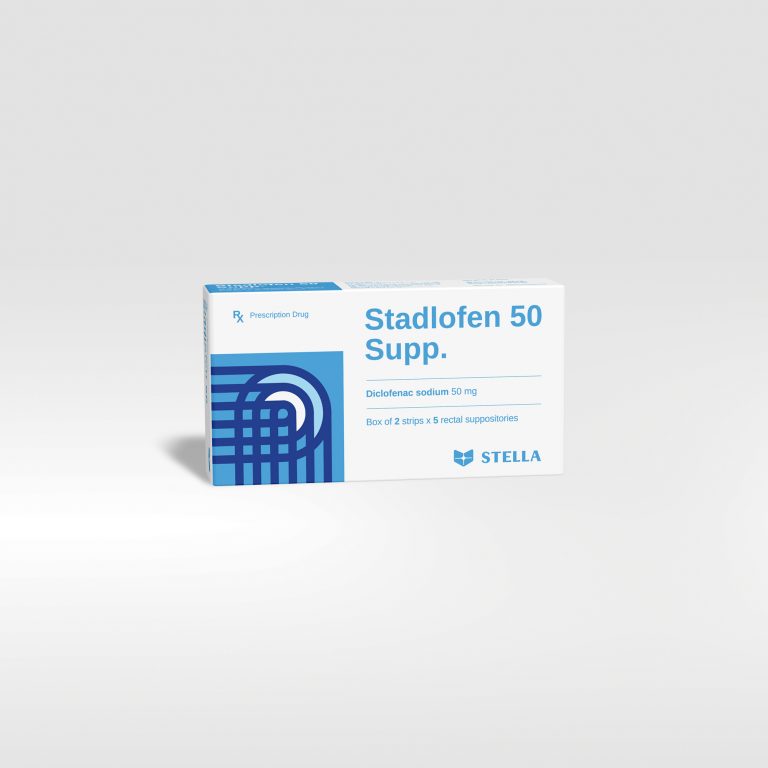
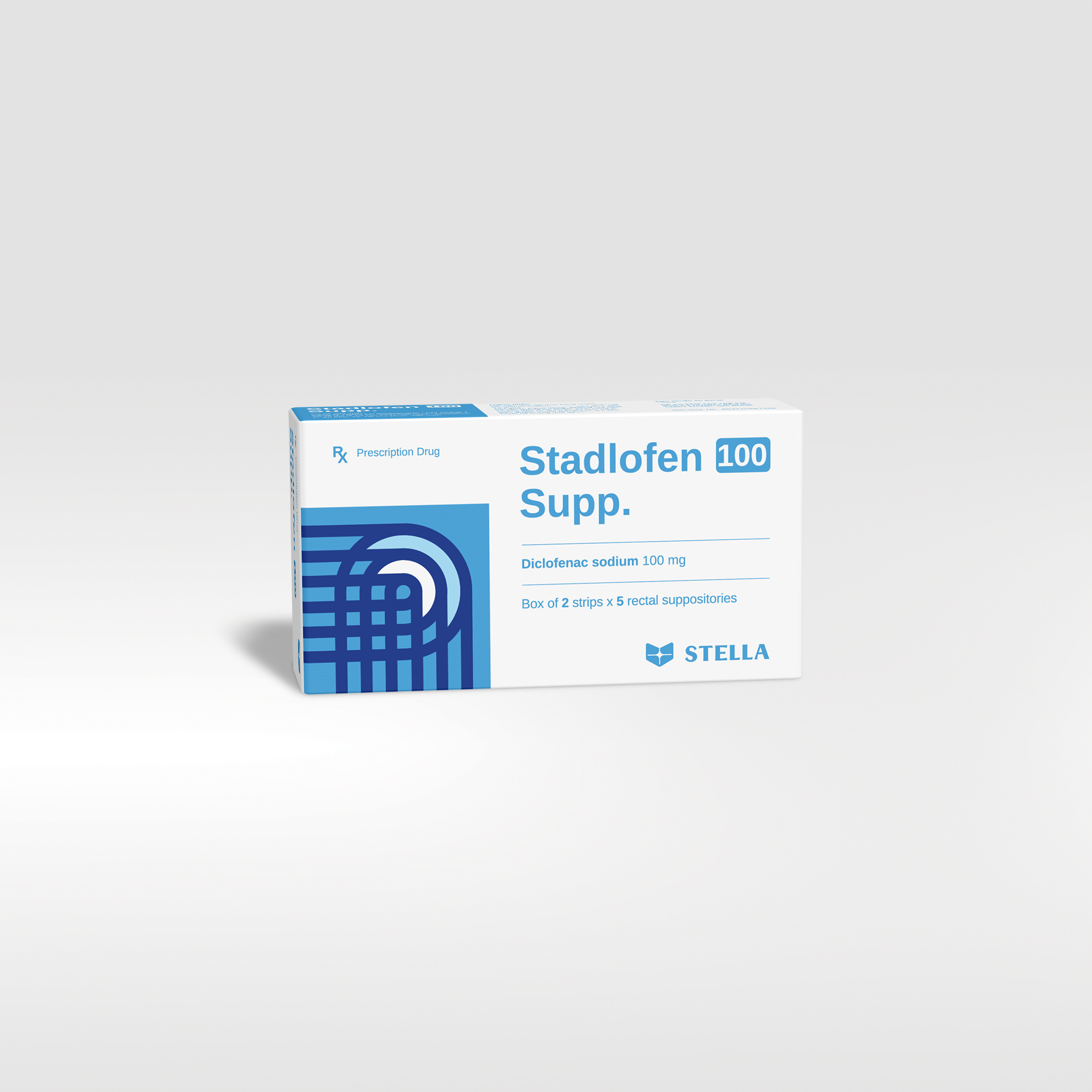
Stadlofen 100 Supp.
Rx

Diclofenac sodium is a steroid compound with pronounced analgesic/anti-inflammatory properties. It is a prostaglandin synthetase (cyclo-oxygenase) inhibitor.dosteine ​​is rapidly absorbed after oral administration and quickly metabolized.

Pack size Box of 05 rectal suppositories
Shelf-life 24 months
Composition Diclofenac sodium
Dosage forms and strengths Rectal suppositories: 100 mg
Product code :

PRESCRIBING INFORMATION

Indications

Adults and the elderly:

  • Reduces inflammation and moderate to severe pain. Effective in treating rheumatoid arthritis, osteoarthritis, ankylosing spondylitis, and acute gout attacks.
  • Addresses acute musculoskeletal disorders such as periarthritis, tendinitis, bursitis, or tenosynovitis.
  • Indicated for pain due to trauma and post-operative conditions including fractures, dislocations, sprains, or orthopedic and dental surgery.

Dosage

  • The usual recommended dose ranges from 75 mg to 150 mg per day.
  • Should take one tablet once a day, usually at night.
  • The total maximum dose of Diclofenac should not exceed 150 mg within 24 hours.

Usage

  • Stadlofen 100 Supp. is for rectal use only and should absolutely not be swallowed.
  • Patients should insert the suppository deep into the rectum after a bowel movement. To allow the suppository to harden before use, it can be refrigerated at 4-10°C for 5-10 minutes. The medication will dissolve on its own under body temperature.
  • Patients are advised to use the lowest effective dose for the shortest possible duration.


  • Patients with a history of hypersensitivity or allergy to any of its components.
  • Patients with active ulcers, bleeding, or perforation of the stomach and intestines.
  • Patients with a history of gastrointestinal bleeding related to previous use of NSAIDs should not use Stadlofen 100 Supp.
  • Patients with current or a history of recurrent peptic ulcers (two or more episodes) should also not use this medication.
  • Children.
  • Stadlofen 100 Supp. should not be used in women during the last three months of pregnancy.
  • Patients with hepatic or renal impairment or congestive heart failure classified as NYHA class II to IV should avoid Stadlofen 100 Supp.
  • Patients with ischemic heart disease, peripheral arterial disease, or cerebrovascular disease should not use this medication.
  • Diclofenac should not be used in individuals with asthma, urticaria, or acute rhinitis caused by ibuprofen and acetylsalicylic acid.
  • People who are suffering from proctitis should not use Stadlofen 100 Supp.

Commons

  • Headache, dizziness,
  • Dizziness, nausea, vomiting, diarrhea,
  • Indigestion, abdominal pain, bloating, loss of appetite,
  • Increased liver transaminases,
  • Rash.
  • Stadlofen 100 Supp. may cause fewer side effects if the patient uses the lowest effective dose for the shortest time necessary to control symptoms.
  • Caution should be exercised when using Stadlofen 100 Supp. with other systemic non-steroidal anti-inflammatory drugs, including selective cyclooxygenase 2 inhibitors, as this does not increase the therapeutic benefit but increases the risk of adverse effects.
  • Caution should be exercised when using Stadlofen 100 Supp. in elderly or frail and underweight patients due to the risk of gastrointestinal bleeding and other serious events.
  • Stadlofen 100 Supp. may cause hypersensitivity reactions such as anaphylaxis or pseudo-anaphylaxis even in patients who have never been exposed to it before. Patients experiencing allergic reactions accompanied by chest pain should stop the medication immediately to avoid progression to Kounis syndrome, which can cause heart damage.
  • Diclofenac may mask signs of infection due to its prostaglandin-inhibiting effect.
  • Stadlofen 100 Supp. can cause gastrointestinal ulcers or bleeding leading to death without specific warning symptoms, especially in the elderly or those using high doses for extended periods.
  • Patients with complicated peptic ulcers should use the lowest possible dose and consider combining it with additional gastric mucosal protective agents such as proton pump inhibitors.
  • Patients with ulcerative colitis or Crohn’s disease require close clinical monitoring due to the risk of worsening conditions when using this class of drugs.
  • Stadlofen 100 Supp. may cause elevated liver enzymes or acute liver disease; therefore, patients undergoing long-term treatment should have their liver function checked regularly.
  • Patients with porphyria should exercise caution due to the risk of acute exacerbations.
  • Stadlofen 100 Supp. It may cause water retention and edema, leading to impaired renal function or worsening heart failure, especially in people with hypertension or those taking diuretics.
  • Patients with cardiovascular risk factors should use the lowest dose for the shortest duration due to the risk of arterial thrombotic events such as myocardial infarction or stroke.
  • Stadlofen 100 Supp. may cause reversible platelet aggregation inhibition, affecting the body’s hemostasis process.
  • Stadlofen 100 Supp. may reduce fertility in women; therefore, those undergoing infertility treatment or wishing to conceive should consider discontinuing its use.
  • Caution should be exercised when using Stadlofen 100 Supp. in women during the first six months of pregnancy due to the risk of miscarriage or cardiovascular malformations and oligohydramnios from week 20 onwards.
  • Each Stadlofen 100 Supp. tablet contains negligible amounts of sodium, so patients on a salt-restricted diet can still use it safely.
  • Patients in the last three months of pregnancy should absolutely not use Stadlofen 100 Supp. Due to the risk of causing neonatal respiratory distress syndrome or premature ductus arteriosus and inhibition of uterine contractions in the mother.
  • Caution should be exercised when using Stadlofen 100 Supp. in breastfeeding mothers because Diclofenac may be excreted in small amounts into breast milk; therefore, the benefits and risks should be carefully considered.
  • Patients taking Stadlofen 100 Supp. should avoid driving or operating machinery.